
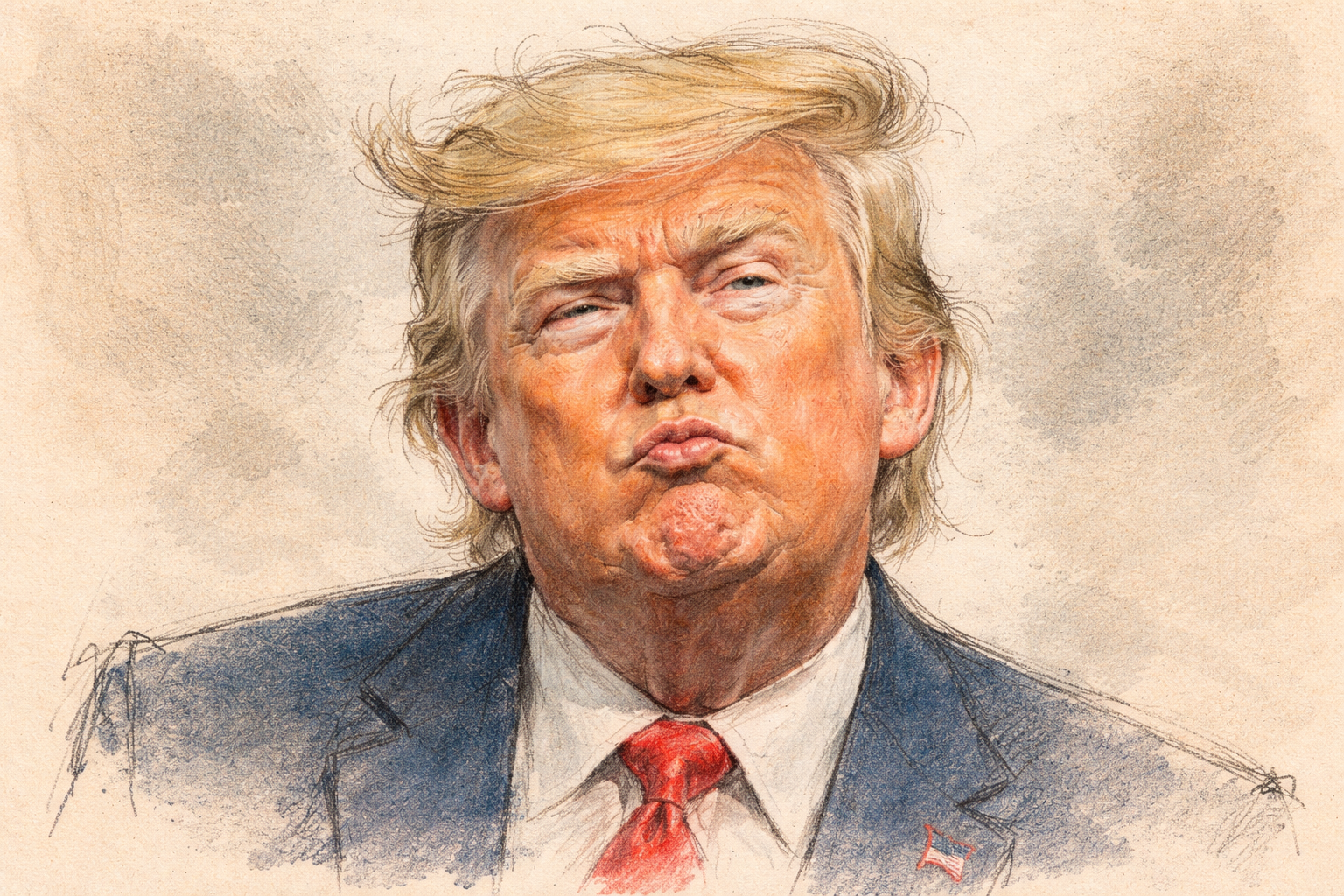
In a recent announcement, President Donald Trump has indicated a potential escalation in tariffs on Canadian goods as a measure to counteract the impact of wildfire smoke drifting into the United States from Canada. This move marks a significant development in the ongoing environmental debate between the two neighboring countries.
The proposal comes as wildfires continue to wreak havoc across parts of Canada, with smoke crossing borders and affecting air quality in several U.S. states. Trump argues that the financial burden of addressing the pollution should not fall solely on the United States, suggesting that increased tariffs could help cover associated costs.
The situation has raised concerns about the economic and diplomatic implications of such a decision. Experts warn that imposing tariffs could strain U.S.-Canada relations further, while others question the effectiveness of tariffs as a solution to environmental challenges.
As discussions unfold, both nations face the pressing challenge of addressing the immediate environmental impacts while considering long-term strategies for cooperation in tackling cross-border pollution issues.
- Potential tariffs aim to offset costs of U.S. smoke pollution impact
- Concerns over economic and diplomatic repercussions
- Ongoing debate on effective environmental solutions













Leave a Reply