
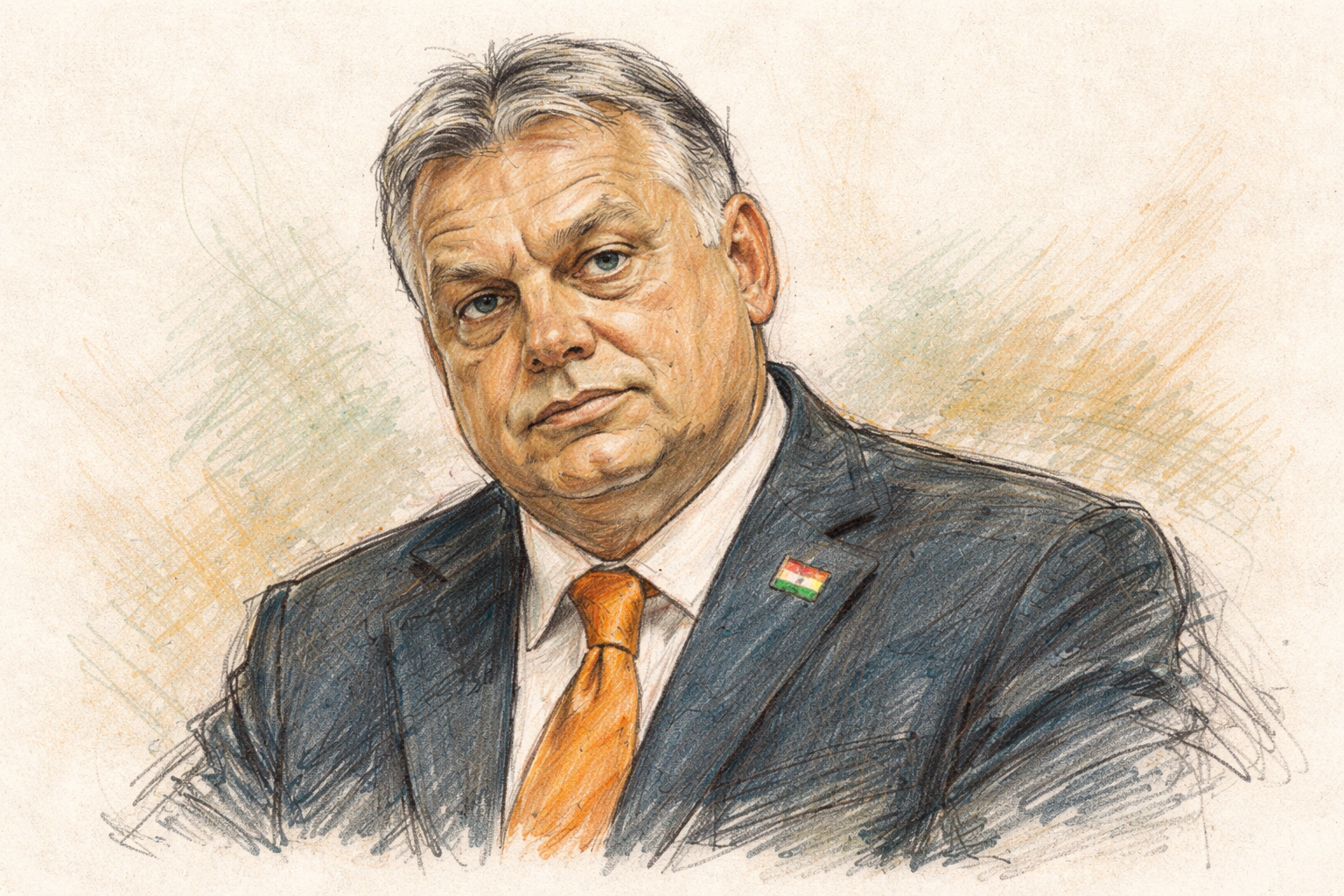
Hungarians are set to cast their votes in a parliamentary election that is drawing significant attention from both the European Union and Russia. The outcome could potentially end Viktor Orbán‘s extensive 16-year leadership, which has been marked by his self-portrayal as a persistent critic of the EU.
Orbán, who has built his tenure on a nationalist platform, has often been at odds with EU policies, positioning himself as a defender of Hungarian sovereignty against perceived overreach from Brussels. His administration has faced criticism for its approach to issues such as media freedom and judicial independence, which have strained relations with other member states.
The election is seen as a pivotal moment for Hungary’s future direction, with the opposition rallying around promises of closer alignment with EU norms and values. Observers are closely monitoring the results, which could signal a shift in Hungary’s domestic and foreign policy, especially in the context of its interactions with both the EU and Russia.
As the election unfolds, the stakes are high not only for Hungary but also for the broader geopolitical landscape, with potential ripple effects on EU cohesion and its external relations.











Leave a Reply