
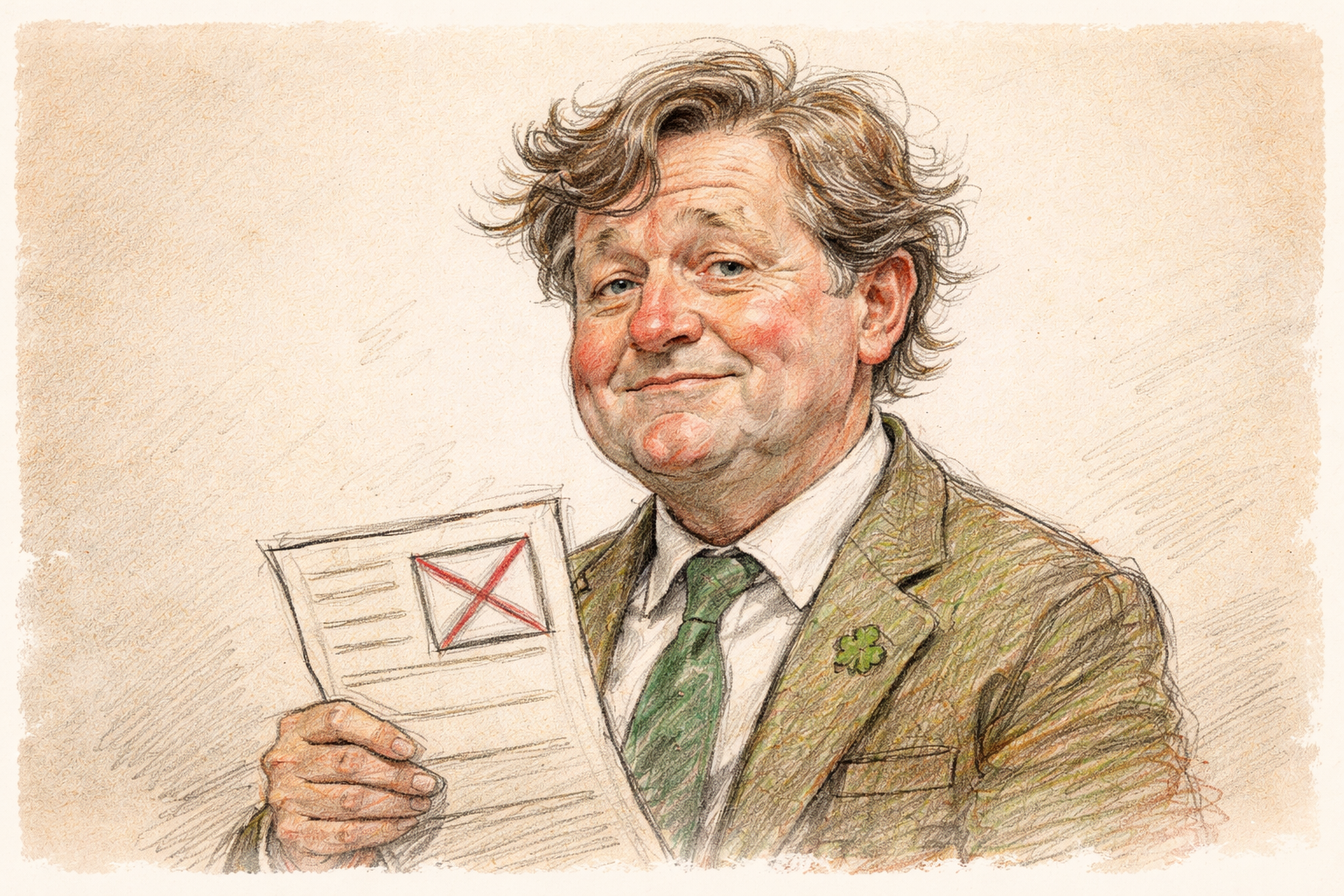
With bye-elections set to take place in Dublin Central and Galway West, attention turns to what a century’s worth of election data can tell us about the shifting landscape of Irish politics. Through analysing past results, we gain insights into campaign strategies and voter behaviour that have shaped outcomes over the years.
Bye-elections, often seen as a litmus test for the current government, provide a snapshot of public sentiment between general elections. Historically, these contests have been pivotal moments when parties can either consolidate their power or face setbacks that influence future strategies. The results often reflect broader national trends, offering a microcosm of the political climate at the time.
In recent decades, bye-elections have shown a tendency for voters to express dissatisfaction with ruling parties, frequently leading to gains for opposition parties. This dynamic underscores the strategic importance of these elections as they can alter the balance of power and impact policy direction.
As voters in Dublin Central and Galway West head to the polls, both historical patterns and current political climates will play a crucial role in determining the outcomes. The results will not only provide insights into regional political shifts but also indicate potential changes in the national political arena.
Key Takeaways:
- Bye-elections reflect national political trends and public sentiment.
- They serve as critical opportunities for opposition parties to gain ground.
- Results can significantly influence party strategies and future policy directions.













Leave a Reply