
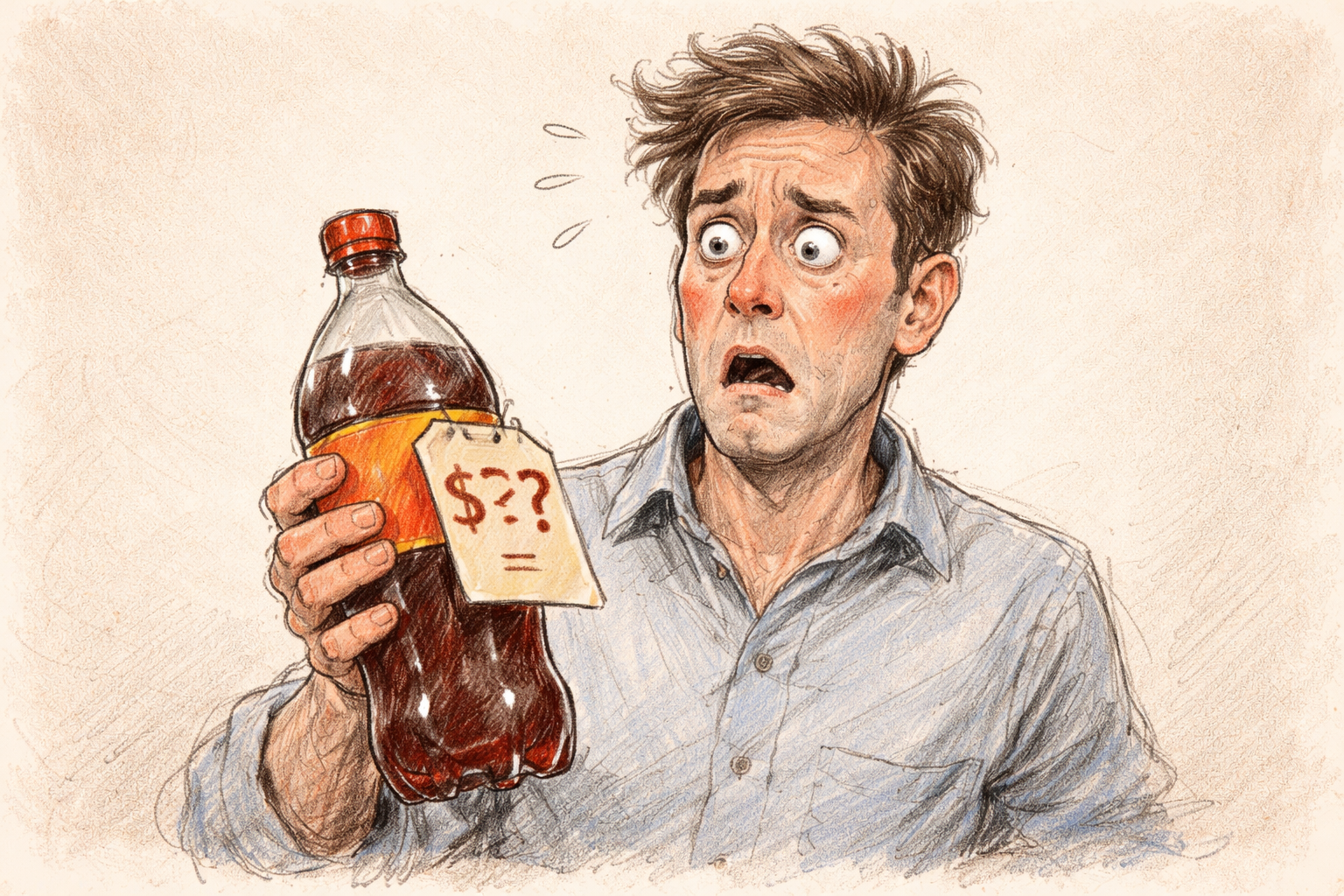
Introduced in 2018, the Sugar Sweetened Drinks Tax was designed to discourage the consumption of sugary beverages by increasing their retail prices. As part of a public health initiative, the tax sought to reduce sugar intake among consumers, particularly targeting fizzy drinks known for their high sugar content.
Recent assessments have brought into question the tangible impact of this tax on consumer behavior and whether it effectively translates into higher costs for consumers. While the primary goal was to make sugar-laden drinks less appealing financially, the actual price changes in stores remain a point of contention.
Some reports suggest that while prices of certain sugary drinks have indeed risen, the overall effect on consumer purchase patterns is less clear. Factors such as promotions and brand pricing strategies may offset the intended price hike, leaving the tax’s efficacy in question.
Ongoing evaluations are necessary to determine whether the tax continues to fulfill its public health objectives or if additional measures are needed to enhance its effectiveness.











Leave a Reply