
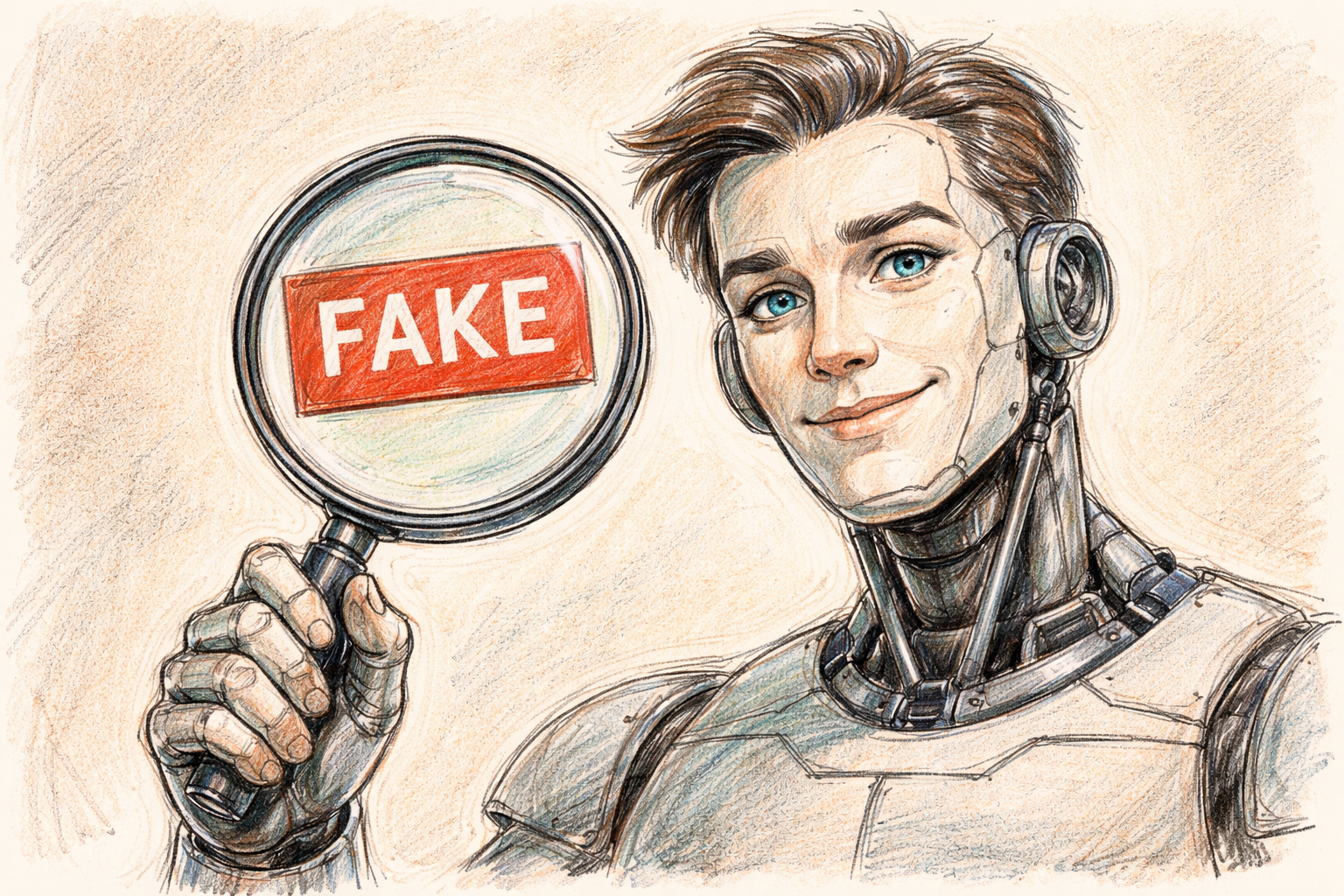
The European Union has implemented new rules obliging the labelling of AI-generated content, including deepfakes and chatbots. These regulations, which take effect today, are part of a broader initiative to increase transparency and accountability in artificial intelligence applications.
Under the new rules, any AI-generated content that could potentially mislead or deceive must be clearly marked. This includes deepfakes, which are synthetic media where a person’s likeness or voice is manipulated, as well as chatbots that simulate human conversation.
The move comes amid growing concerns about the potential misuse of such technologies, particularly in spreading misinformation and undermining trust. By ensuring that these AI-generated contents are clearly labelled, the EU aims to protect consumers and uphold the integrity of information.
These regulations are part of a wider EU strategy to regulate artificial intelligence, balancing innovation with safeguarding public interest. Companies and developers will need to comply with these labelling requirements or face potential penalties.
- Key Takeaways
- AI-generated content must be labelled under new EU rules.
- Regulations target deepfakes and chatbots to prevent misinformation.
- Part of broader efforts to ensure AI transparency and accountability.














Leave a Reply